Fly Fishing Dubois WY: A Beginner's Guide to the Wind Rivers

ZT's Angling Co. · Dubois, WY
 Published: Nov 26, 2026
 7 min read
Summary
A beginner's introduction to fly fishing near Dubois, Wyoming and the Wind River Range. It covers how backcountry trout water differs from roadside access, what first-timers should know, and how a guide helps you learn.
Why Dubois Is a Good Place to Start
Dubois sits at the edge of the Wind River Range, and that location shapes everything about fishing here. The water around town is cold, clear and mostly wild. If you are picking up a fly rod for the first time, the setting gives you a lot to work with, but it also asks a bit more of you than a stocked pond or a park-and-cast river access would.
That is worth knowing before you plan a trip. Fly fishing Dubois WY style means thinking about where you are walking, what you are carrying and how you approach the water. The fishing is only part of the day. The rest is moving through country that sees far fewer people than the well-known roadside stretches of the West.
What Makes Backcountry Trout Fishing Different
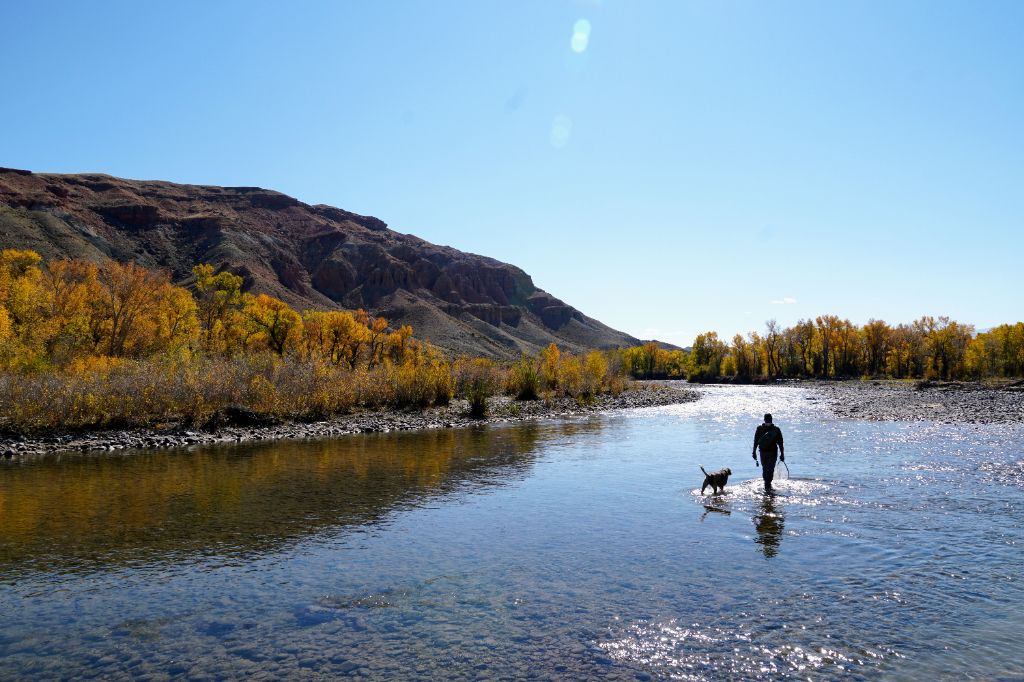
Easy-access water is forgiving in some ways and frustrating in others. You can see the car, the bank is worn smooth, and other anglers have been through before you. Backcountry fishing flips most of that around. You hike in, the fish see far fewer anglers, and the places you stand are often small pockets of river or the edges of an alpine lake.
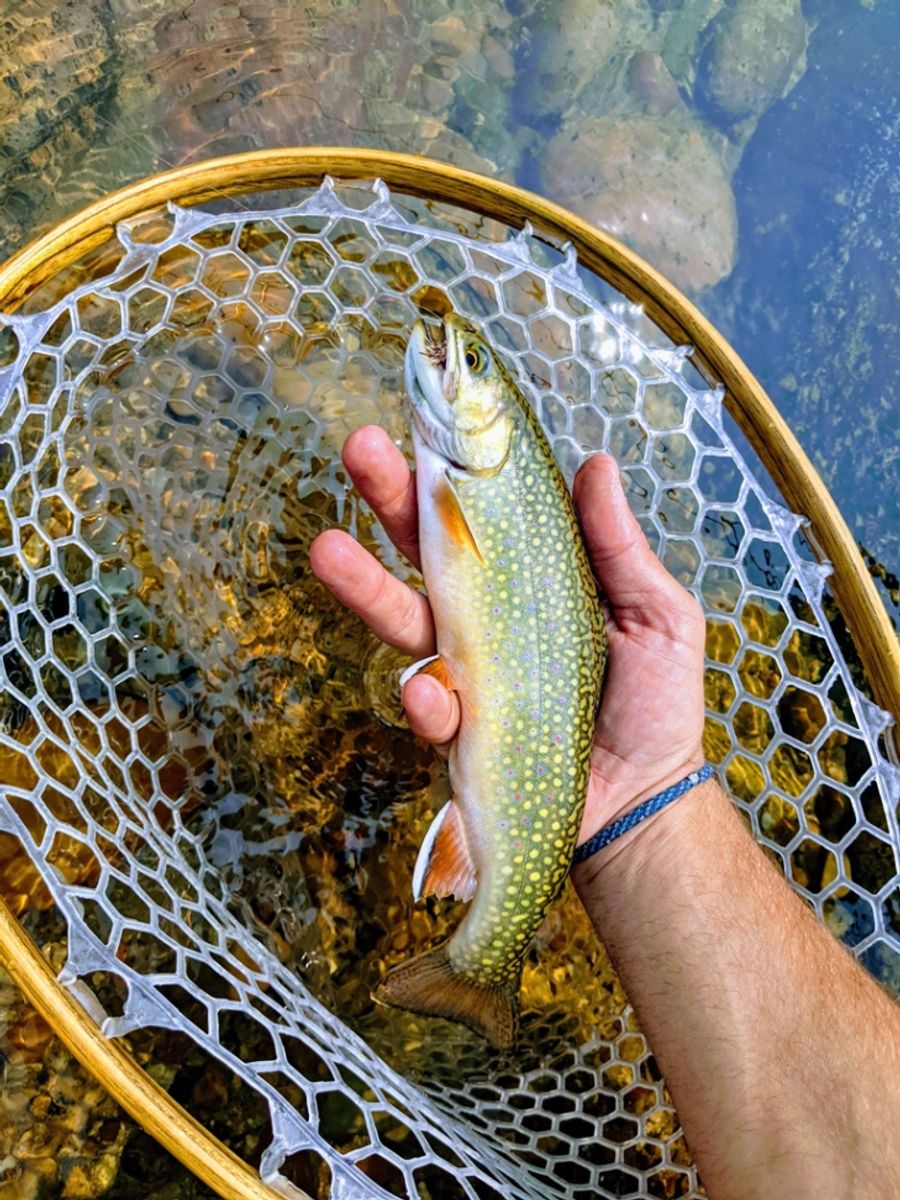
Guide Zack TenBrink of ZT's Angling Co. leads backcountry trips built around this style of fishing. His trips cover quiet river pockets where you wade in and work for four distinctive trout species, and secluded alpine streams and crystal-clear lakes far from the crowds. Those are very different environments from a busy roadside run, and each one asks for a slightly different approach.
A few things tend to set backcountry water apart:
- You walk to it, so you carry less and plan more.
- Fish in remote water are not used to seeing flies and anglers, so how you approach matters.
- Small pockets and runs reward careful presentation over long, showy casts.
- The scenery is part of the trip, not a backdrop.
What a Beginner Should Know Before Booking
You do not need to arrive as an experienced angler. Zack is a passionate fly fishing guide who enjoys teaching new anglers, and his trips include personalized guidance on learning to read the river and pursue Wyoming's wild trout. Still, a little preparation makes the day better.
Start by being honest about your fitness and your comfort level. A backcountry trip involves hiking and wading, so tell your guide how much walking you are happy with and whether you have waded before. Zack can only shape the day around you if he knows where you are starting from.
Next, think about what you want out of the trip. Some beginners want to catch a fish above all else. Others want to understand why a trout sits where it does, or how to place a fly where it will be noticed. Saying so when you book helps your guide decide where to take you and what to teach first.
Finally, go in with realistic expectations. Fly fishing has a learning curve, and wild trout in clear, quiet water are not always easy. A slow stretch is part of learning, and a good guide turns it into practice rather than a lost morning.
How a Guide Helps You Learn Faster
Reading water is the skill that separates people who fish from people who catch. A beginner looks at a river and sees moving water. A guide sees seams, pockets, slower edges and the places a trout would choose to wait. Learning to see those things is a large part of what Zack teaches.
His trips include work on fine-tuning your fly presentation across secluded runs and trout-rich river pockets. That means adjusting how your fly lands and drifts, then watching what happens. With someone beside you pointing out small changes, you improve much faster than you would by guessing on your own.
Time of day matters too. One of Zack's trips follows the sunset rise, when trout feed on caddis, mayflies and other emerging insects. Fishing around an insect hatch teaches you to watch the water for what fish are actually eating, which is a habit that carries over to every river you fish afterward.
There is also the simple benefit of local knowledge. Zack knows the Wind River Range and takes pride in sharing its backcountry with visitors. He knows where to hike, which water suits a first-timer and how to get you into the quiet corners most people never reach.
Setting Up for a Good First Trip
Once you decide to book, a few steps keep things simple. Talk with your guide about the type of water you want to see: river pockets, alpine streams or high lakes. Let him know your experience level, even if that level is none. Ask what you should wear and bring for a day that involves hiking, and follow his advice on the details.
Then go with an open mind. The goal of a first trip is not a perfect cast or a trophy fish. It is learning the basics in beautiful country, with someone patient showing you how the river works. If you leave understanding why the fish were where they were, you have gotten the most valuable part of the day.
This article is meant to set the stage for the rest of the blog. From here, you can dig into specific techniques, seasons and water types. For now, the main point is simple. Fly fishing near Dubois rewards beginners who are curious, a little adventurous and willing to learn from someone who knows the country well.